


-

Add: HeBei ShengShi HongBang Cellulose Technology CO.,LTD.
-

Email
13180486930@163.com -

CONTACT US
+86 13180486930
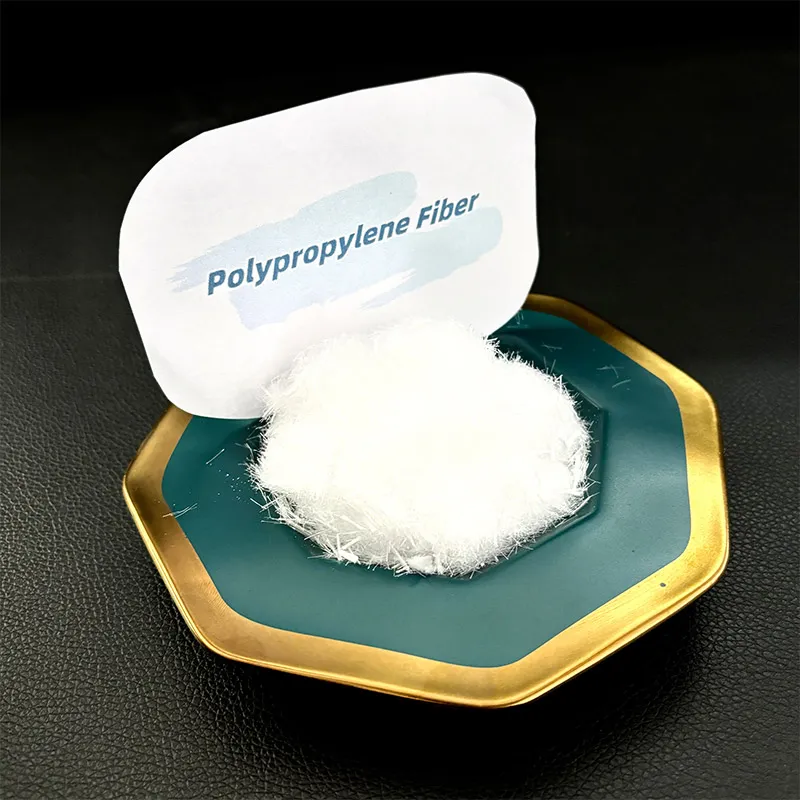


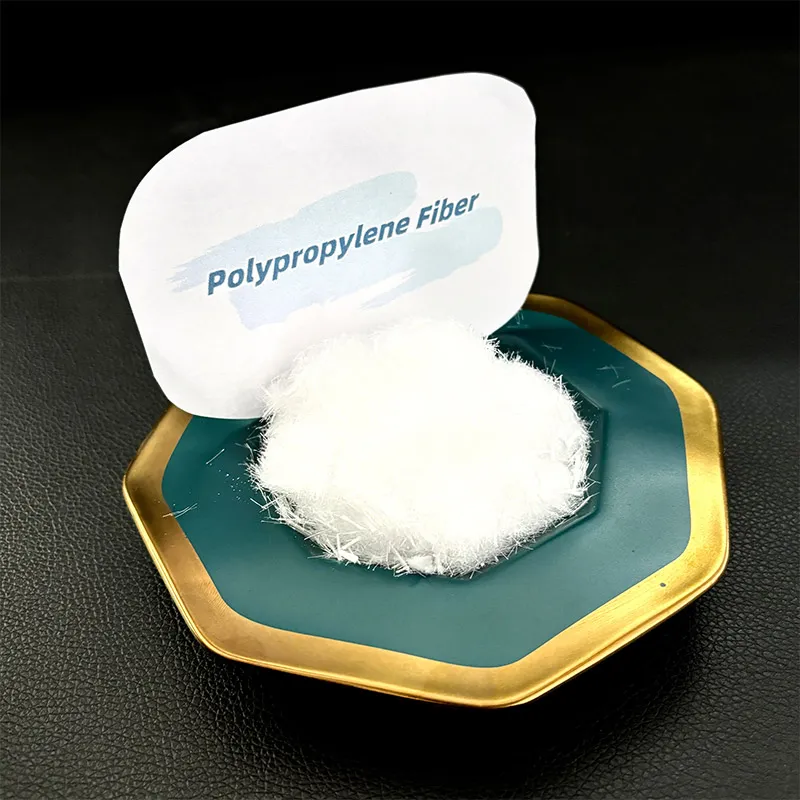
Waterproofing membranes are the unsung heroes of construction, safeguarding structures from water damage and ensuring longevity. Among the materials elevating their performance, polypropylene fiber stands out as a versatile and durable additive. Alongside polyolefin fiber and pp fiber variants, it enhances the strength, flexibility, and water resistance of membranes, making them indispensable in modern building projects. Hebei ShengShi HongBang Cellulose Technology CO.,LTD, a professional manufacturer with over 20 years of experience, located in Hebei Province Xinji provincial clean chemical Industry Park with excellent transportation links, extends its expertise beyond HPMC to include high-quality fiber additives. Their advanced German production processes and daily capacity of 80–100 tons make them a reliable partner for wholesalers seeking top-tier construction materials. This article explores how polypropylene fiber enhances waterproofing membranes, highlighting its benefits and applications. Types of Polyolefin Fiber for Waterproofing Membranes Polypropylene Fiber: Polypropylene fiber , a type of polyolefin fiber , is a lightweight, inert material known for its high tensile strength and resistance to moisture. When incorporated into waterproofing membranes, it reinforces the structure, preventing cracks and tears that could compromise water resistance. Wholesalers can note that its chemical stability makes it ideal for membranes exposed to harsh environments, such as coastal areas or industrial sites. PP Fiber: Pp fiber (short for polypropylene fiber) is often used in shorter lengths, ensuring uniform dispersion throughout the membrane. This even distribution enhances the material’s overall toughness, making it more resistant to punctures and abrasions—common risks during construction or maintenance. Hebei ShengShi HongBang’s pp fiber is processed to meet strict quality standards, ensuring consistent performance in waterproofing applications. Specialty Polyolefin Fiber: Some polyolefin fiber variants are engineered for specific membrane needs, such as enhanced UV resistance or flexibility at low temperatures. These are ideal for membranes used in extreme climates, from hot deserts to cold regions. Their versatility allows for customization, making them a valuable addition to any wholesaler’s product range. Enhancing Waterproofing Membranes with Polypropylene Fiber Crack Resistance: Polypropylene fiber acts as a micro-reinforcement in waterproofing membranes, disperse stress and prevent the expansion of micro-cracks. When membranes expand or contract due to temperature changes, the fibers absorb the stress, preventing the formation of larger cracks that could allow water penetration. This is particularly critical for membranes used in concrete structures, where movement is inevitable. Improved Flexibility: Membranes containing pp fiber are more flexible, adapting to structural shifts without losing integrity. This flexibility is key for waterproofing areas prone to movement, such as foundation walls, roof joints, or expansion gaps. Unlike rigid membranes that may crack under stress, fiber-reinforced ones bend and stretch, maintaining a watertight seal. Water Resistance Boost: Polyolefin fiber is inherently water-repellent, adding an extra layer of protection to membranes. When combined with waterproofing compounds, it creates a barrier that not only blocks water but also resists degradation from moisture over time. This longevity reduces the need for frequent membrane replacements, saving costs for construction projects. Performance Benefits of PP Fiber in Waterproofing Membranes Performance Aspect Membrane with PP Fiber Standard Membrane (Without Fiber) Advantage for Construction Tear Resistance High; resists damage from sharp objects Low; prone to tearing during installation Reduces repair costs and ensures long-term water resistance. Flexibility Excellent; adapts to structural movement Limited; may crack under stress Ideal for dynamic structures like bridges or high-rise buildings. Durability Long lifespan; resistant to moisture and chemicals Shorter lifespan; prone to degradation Lowers maintenance needs and extends the structure’s waterproofing life. Installation Ease Easier to handle and apply; less prone to wrinkling May be stiff or fragile Saves time and labor costs during membrane installation. This table helps wholesalers demonstrate how pp fiber elevates waterproofing membrane performance, making it a must-have additive for quality-conscious clients. Practical Applications of Polypropylene Fiber in Membranes Roof Waterproofing: Polypropylene fiber -reinforced membranes are widely used in roof applications, where they withstand UV exposure, temperature fluctuations, and foot traffic. The fibers prevent cracks caused by thermal expansion, ensuring the roof remains watertight even in extreme weather. This makes them a favorite for commercial and residential buildings alike. Basement and Foundation Membranes: In below-grade structures, polyolefin fiber -enhanced membranes protect against hydrostatic pressure, preventing water from seeping into basements or foundations. The fibers reinforce the membrane, allowing it to withstand the weight of soil and water without tearing. Hebei ShengShi HongBang’s polypropylene fiber is particularly effective in these critical applications, ensuring structural integrity. Tunnel and Infrastructure Waterproofing: Tunnels, bridges, and other infrastructure projects rely on durable waterproofing membranes. Pp fiber -reinforced options offer the strength and flexibility needed to withstand constant vibration, ground movement, and exposure to water. Their resistance to chemicals and abrasion makes them ideal for these high-demand environments. Polypropylene Fiber FAQS What Dosage of PP Fiber Is Ideal for Waterproofing Membranes? Typically, pp fiber is used at 0.5–2% by weight of the membrane mix. Lower dosages (0.5–1%) enhance flexibility, while higher dosages (1–2%) boost tear resistance. Hebei ShengShi HongBang’s technical team can recommend precise dosages based on specific membrane formulations and project needs. Is Polyolefin Fiber Compatible with All Membrane Materials? Yes, polyolefin fiber (including polypropylene fiber ) is compatible with most membrane materials, such as bitumen, PVC, and TPO. It blends seamlessly with these substrates, enhancing performance without causing chemical reactions. This compatibility simplifies product selection for wholesalers and ensures versatility across projects. Does Polypropylene Fiber Affect Membrane Installation? No, polypropylene fiber actually eases installation. Its reinforcement makes membranes more tear-resistant during handling, reducing waste. The added flexibility also allows for easier shaping around corners, pipes, and other obstacles, ensuring a snug, watertight fit. How Does PP Fiber Perform in Extreme Temperatures? Pp fiber maintains its properties across a wide temperature range, from -40°C to 120°C. This makes it suitable for membranes used in both cold and hot climates, where temperature-induced expansion and contraction are common. It resists brittleness in the cold and melting in the heat, ensuring consistent performance. Where Can Wholesalers Source Quality Polypropylene Fiber for Membranes? Hebei ShengShi HongBang Cellulose Technology CO.,LTD provides premium polypropylene fiber and pp fiber products, perfect for enhancing waterproofing membranes. Visit their website to explore their range and partner with a manufacturer renowned for quality and reliability in construction materials.
- 40000tons

Production
- 20+years

Experience
- 5000+㎡

Acreage

-
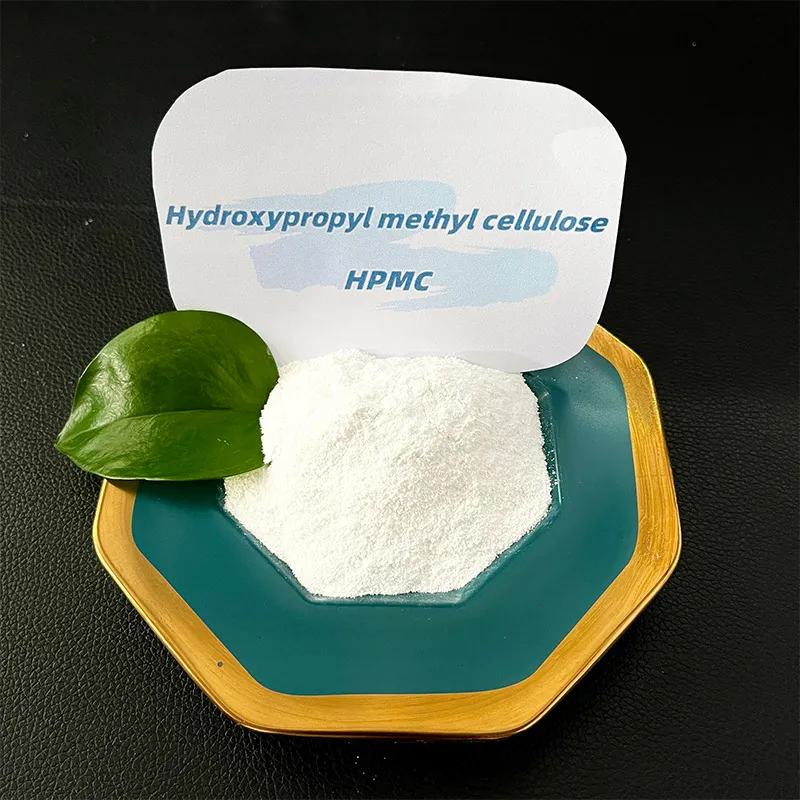
Hydroxypropyl methylcellulose (HPMC) has been a prominent player in the world of construction and pharmaceuticals owing to its versatile properties . The pricing landscape of HPMC can fluctuate due to several factors, crucial for businesses and stakeholders to understand for strategic decision-making. This article delves into the nuances of HPMC pricing while integrating real-world insights, professional knowledge, authority, and reliability. HPMC is celebrated for its multifunctionality, providing thickening, emulsifying, and stabilizing properties. These attributes render it indispensable in industries ranging from building materials to personal care products. The price of hydroxypropyl methylcellulose is influenced by raw material costs, production processes, and market demand, which are intertwined intricacies every professional should comprehend. Insights from Industry Experts Engaging with industry experts reveals that one of the pivotal factors affecting HPMC pricing is the cost of raw cellulose and the chemicals used in its etherification. Fluctuations in cellulose prices, often affected by agricultural conditions and supply chain disruptions, directly impact HPMC costs. In addition, energy prices carry weight in the pricing equation due to the energy-intensive process of producing HPMC, making it susceptible to global geopolitical situations that alter energy market dynamics. The Role of Market Demand Market demand plays a critical role in establishing HPMC prices. As more industries discover innovative applications for HPMC, the demand chain expands. For example, in construction, the escalating demand for sustainable and green building materials has intensified interest in HPMC due to its environmental benefits and role in reducing material waste. Additionally, the burgeoning pharmaceutical sector relies on HPMC as an excipient, further driving demand. hydroxypropyl methylcellulose price Authoritative Market Analysis An authoritative analysis of current market trends shows that China and India are significant production hubs for HPMC due to their abundant raw material resources and cost-effective production capabilities. Key players in these regions often have a significant influence on global pricing structures. Furthermore, regulatory changes concerning environmental policies in these countries can lead to shifts in production costs, consequently affecting international prices. Trustworthy Sources and Reports Relying on trustworthy market reports and data from established financial analytics firms provides deeper insights into pricing trends and forecasts. Recent reports indicate that prices have been moderately stable, with anticipated growth attributed to advancements in application technology and increasing environmental awareness among consumers. Strategic Recommendations Businesses relying on HPMC should adopt a strategic approach to mitigate price volatility risks. Diversifying supply sources, investing in local production facilities, and adopting alternative technological methods are potential strategies to achieve cost efficiency and stable pricing. Moreover, maintaining transparent relationships with suppliers can foster mutual trust and facilitate better negotiated pricing. In conclusion, understanding the pricing structure of hydroxypropyl methylcellulose involves an intricate blend of raw material costs, market demand dynamics, and regional economic policies. For businesses in construction, pharmaceutical, and beyond, a forward-thinking strategy backed by expert insight and authoritative data sources can ensure effective management of costs associated with this essential compound.
-
HPMC Dextran is the innovative addition to the pharmaceutical excipients' domain that is capturing significant attention due to its versatile applications and unparalleled quality. Leveraging real-world experience combined with profound expertise in the field of pharmaceutical science, the exploration of HPMC Dextran offers insightful revelations into its potential benefits and applications. HPMC (Hydroxypropyl Methylcellulose) Dextran is an intelligent combination of two well-established pharmaceutical excipients HPMC and dextran. This unique hybrid formulation marries the gel-forming, stabilizing properties of HPMC with the biocompatibility and low-immunogenicity characteristics of dextran. The result is a compound that significantly enhances the functionality and efficacy of therapeutic drugs, creating new possibilities in drug development and formulation. The experience-driven exploration of HPMC Dextran highlights its remarkable ability to improve the solubility and bioavailability of hydrophobic drugs. This property is particularly important for oral and injectable drug formulations where solubility can be a limiting factor. Formulators have reported enhanced patient outcomes in trials of drugs using HPMC Dextran due to its exceptional capacity to optimize drug release profiles, leading to steady drug concentrations in the bloodstream. Going beyond solubility enhancement, HPMC Dextran offers significant improvements in the stability of sensitive drug molecules. This compound protects active pharmaceutical ingredients (APIs) against degradation caused by environmental factors such as light, heat, and pH variations. Its film-forming ability ensures a robust protective barrier around APIs, prolonging their shelf-life and maintaining their therapeutic efficacy. This attribute is substantiated by authoritative reports from stability studies showcasing a reduction in degradation rates of key APIs when incorporated into HPMC Dextran matrixes. hpmc dextran Trustworthiness in pharmaceutical excipients is paramount , and HPMC Dextran shines with its proven safety profile. This compound has passed rigorous toxicological evaluations and is recognized for its non-cytotoxicity, non-immunogenicity, and biodegradability. Pharmaceutical developers trust HPMC Dextran not only for the safety it provides but also because it aligns well with the stringent regulatory requirements globally. Detailed safety assessments have reiterated its compatibility with a wide range of APIs, further validating its standing as a reliable and trustworthy excipient choice. Professionals exploring the application of HPMC Dextran can testify to its seamless integration into existing pharmaceutical production processes. With minimal requirement for additional infrastructure or re-calibration, adapting formulations to include HPMC Dextran is cost-effective and efficient. The excipient responds well to conventional and advanced manufacturing technologies such as 3D printing, thus supporting innovative formulation techniques that are reshaping modern drug development. HPMC Dextran stands out as a cornerstone in the ever-evolving pursuit of superior pharmaceutical formulations. By embracing this advanced excipient, pharmaceutical developers access an unprecedented opportunity to enhance drug performance and patient satisfaction. It is an embodiment of progress intersecting with demand, where established scientific principles meet real-world application, underscored by the trust it earns from researchers and manufacturers worldwide. The journey with HPMC Dextran is just beginning, promising an era of greater possibilities and achievements in pharmaceutical sciences.
advantages
-

200000 Viscosities
Excellent product
We can produce pure products up to 200,000 viscosities
-

40000 tons
High yield
We don’t stop production all year round, and the annual output can reach 40,000 tons
-

24 hours
Quality service
We provide 24-hours online reception service, welcome to consult at any time
———— Inquiry Form
Schedule A services

-
 fibra_de_pelo_de_polipropileno
Oct . 25, 2025
The gypsum retarder chemical is a crucial component in the world of plastering and construction. Gyp -
 microfiber_monofilament
Oct . 25, 2025
Starch ether is an essential additive in many modern construction materials, offering superior perfo -
 concrete_fibres
Oct . 25, 2025
In the world of pharmaceuticals and nutraceuticals, excipients play an essential role in the formula


